


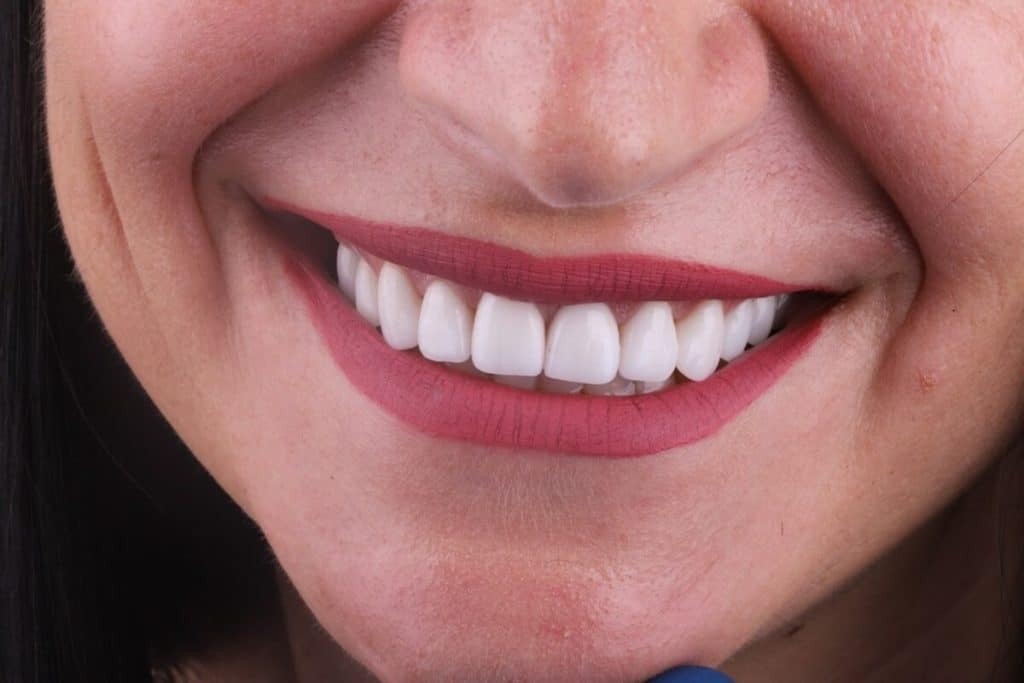
Worried that professional teeth whitening may damage the surface of your teeth? A dental clinic in SE Calgary can check your teeth and gums before recommending treatment and help determine whether whitening is a suitable choice. When performed correctly and under professional guidance, in-office whitening is designed to lighten stains without removing or destroying healthy enamel. However, some people may experience temporary tooth sensitivity or mild gum irritation after treatment.
Understanding how professional whitening works, what it can and cannot change, and how proper care protects your teeth can help you make a more informed decision about brightening your smile.
Does Teeth Whitening Damage Enamel?
Healthy tooth enamel is strong, but it can still be affected by improper or excessive whitening. Professional whitening products are designed to work on stains within the tooth without removing the enamel itself.
The risk of problems may increase when:
- Whitening products are used too often.
- Strong products are used without proper guidance.
- Products are left on longer than recommended.
- Existing dental problems are not treated first.
- Whitening is performed on unhealthy teeth or gums.
A professional assessment can help reduce these risks and identify any concerns before treatment.
How Does In-Office Whitening Work?
Teeth whitening in SE Calgary usually involves applying a whitening gel to the teeth under controlled conditions. The active ingredients help break down certain stains, making the teeth appear lighter.
During professional treatment:
- The teeth and gums are checked.
- The gums and surrounding areas are protected.
- The whitening product is carefully applied.
- The treatment is monitored according to the planned time.
- The teeth are checked after treatment.
The exact process can vary depending on the whitening system and the condition of the teeth.
Why Can Teeth Feel Sensitive After Whitening?
Tooth sensitivity is one of the most common temporary effects of whitening. The whitening ingredients can temporarily make the teeth more responsive to hot, cold, or sweet foods and drinks.
Sensitivity often improves after treatment, but the level can vary from person to person. A dental professional may suggest ways to manage sensitivity based on individual needs.
Sensitivity may be more likely when there are:
- Worn areas on the teeth
- Tooth decay
- Cracks
- Exposed tooth roots
- Existing sensitivity
These concerns should be assessed before whitening begins.
Can Whitening Harm Weak or Damaged Teeth?
Whitening may not be suitable for every tooth. If enamel is already worn or a tooth has decay, cracks, or other damage, whitening may cause discomfort or may not produce the expected result.
A dental clinic near you can check for these concerns before treatment. Addressing existing dental problems first may help protect the teeth and improve the safety and outcome of whitening.
It is also important to remember that whitening does not change the colour of:
- Dental crowns
- Veneers
- Bridges
- Fillings
This can sometimes lead to uneven shades if existing restorations are visible.
Is Professional Whitening Safer Than DIY Whitening?
Professional whitening offers more control over how the treatment is performed. The teeth can be assessed beforehand, and the whitening process can be adjusted based on oral health and sensitivity concerns.
At-home products may be safe when used correctly, but choosing a product without professional advice can increase the risk of misuse.
Professional care may help by:
- Checking for cavities or cracks
- Identifying gum problems
- Selecting an appropriate whitening approach
- Protecting the gums during treatment
- Monitoring the whitening process
What Should Be Avoided After Whitening?
After whitening, the teeth may be more likely to pick up stains for a short period. Following aftercare advice can help maintain the result.
Consider limiting:
- Coffee and tea
- Red wine
- Dark-coloured sauces
- Tobacco products
- Foods and drinks that cause sensitivity
Maintaining good brushing and flossing habits can also help keep the smile looking brighter.
Let Your Smile Shine With the Right Care!
When done correctly, in-office teeth whitening should not harm healthy tooth enamel. It is important to use the right whitening products and follow your dentist’s advice. Any existing dental problems should also be treated before whitening. A dental checkup can help you find out if professional whitening is right for you and how to do it safely.
Want to brighten your smile safely? Book an appointment with Sorensen Dental Group to discuss your whitening goals and learn if professional teeth whitening is a good choice for you.
FAQs
Can professional whitening damage tooth enamel?
When done correctly, professional teeth whitening should not damage healthy tooth enamel. Following your dentist’s instructions can help lower the chance of tooth sensitivity or gum irritation.
Does whitening permanently weaken teeth?
Properly performed whitening does not normally cause permanent weakening of healthy teeth. However, overuse or incorrect use of whitening products may lead to problems.
Why do teeth hurt after whitening?
Whitening can temporarily increase sensitivity because the active ingredients may make teeth more responsive to temperature and certain foods.
Can whitening cause permanent sensitivity?
Long-lasting sensitivity is not the expected result of professional whitening. If sensitivity continues, a dental assessment can help identify the cause.